
Tired of rushing to the doctor for every little change in your blood pressure, sleep, or daily activity? Smart home health monitoring devices now let you track vital signs, detect falls, manage medications, and get real-time alerts right from your living room. In 2026, these tools have become more accurate, affordable, and easier to use than ever.
This guide exposes the truth about what actually works. You’ll discover the best smart home health monitoring devices 2025-2026, how they integrate with your existing smart home setup, and which premium smart home health monitoring devices deliver real value versus hype.
Whether you’re caring for aging parents, managing a chronic condition, or simply want better daily insights, you’ll walk away knowing exactly which devices to buy, how to set them up, and how to avoid common frustrations. Let’s get into the details that matter most.
What Are Smart Home Health Monitoring Devices?
Smart home health monitoring devices are connected gadgets that track your health metrics and send data to your phone, tablet, or caregiver’s dashboard. They go beyond basic fitness trackers by focusing on medical-grade or clinically useful insights.
These devices typically include blood pressure cuffs, pulse oximeters, smart scales, continuous glucose monitors (CGMs), fall sensors, medication dispensers, and sleep trackers. Many connect via Bluetooth, Wi-Fi, or cellular networks and work with platforms like Apple Health, Google Fit, or dedicated caregiver apps.
In 2026, the market has grown rapidly. The digital health monitoring devices sector jumped from about $7.75 billion in 2025 toward $9.4 billion in 2026, fueled by aging populations and demand for remote care.
The best part? You don’t need a hospital visit for routine checks anymore. A quick morning reading on your Withings BPM Connect or a glance at your Oura Ring gives you actionable data.
Why Smart Home Health Monitoring Devices Matter in 2026
Chronic conditions like hypertension, diabetes, and heart issues affect millions. Regular monitoring helps catch problems early. Studies and real-world use show that consistent home tracking can reduce hospital visits and improve quality of life.
For seniors who want to age in place, these devices provide independence with safety nets. Fall detection systems can alert family members within seconds. Smart pill dispensers remind you (or lock doses) to prevent missed or double medications.
Parents caring for elderly relatives often feel constant worry. Devices with real-time alerts cut that anxiety. One user I know set up a simple system with a blood pressure monitor and motion sensors. Now she gets notified only when something seems off, instead of calling multiple times a day.
Privacy remains a valid concern. Choose devices with strong encryption and local processing options when possible. The good news is that leading brands have improved data security significantly by 2026.
Top Smart Home Health Monitoring Devices You Should Consider
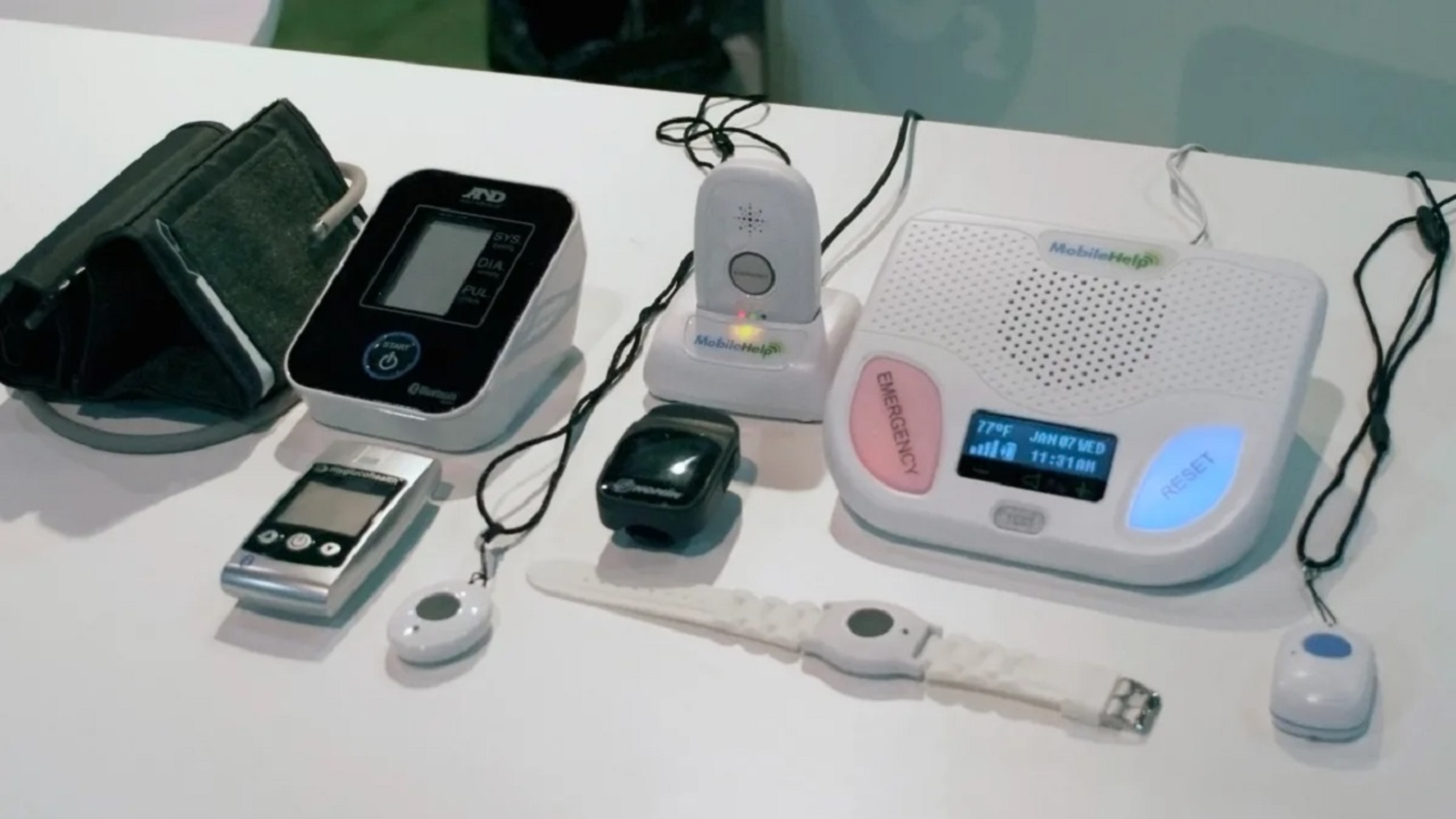
Here are standout options based on accuracy, ease of use, and real-user feedback in 2026:
- Withings BPM Connect Pro Excellent cuff-style blood pressure monitor with easy smartphone pairing.
- Apple Watch Series 10/11 Strong for ECG, irregular rhythm alerts, blood oxygen, and fall detection.
- Oura Ring 4 Discreet ring that excels at sleep, recovery, stress, and heart rate variability tracking.
- Dexcom G7 / newer CGM Gold standard for continuous glucose monitoring with predictive alerts.
- Samsung Galaxy Watch / Galaxy Ring Great for Android users with advanced health sensors.
- MedMinder or Hero pill dispensers Automated medication management with app notifications.
- SafelyYou or similar radar-based fall detection Privacy-friendly sensors that detect falls without cameras.
Premium options often cost more upfront but offer better accuracy, longer battery life, and seamless integration.
Best Blood Pressure and Vital Signs Monitors
Blood pressure is one of the most important metrics to track at home. The Withings BPM Connect remains a favorite because it gives clinically accurate readings and syncs instantly to your phone.
You simply wrap the cuff, press a button, and get results in under a minute. It stores multiple user profiles, which helps families share one device.
For pulse oximetry (blood oxygen), fingertip models from ChoiceMed or integrated ones in smartwatches work well. Look for devices that also track heart rate and temperature.
Take readings at the same time each day, seated calmly with feet flat. Inconsistent habits lead to misleading data. Many users see better trends once they build this routine.
Smart scales like Withings Body Scan go further, they measure body composition, vascular age, and even nerve health in some models.
Advanced Wearables and Smart Rings for Continuous Tracking
Wearables have moved from step counters to serious health tools.
The Oura Ring 4 shines for all-day and overnight tracking without a bulky watch. It monitors sleep stages, daytime stress via HRV, skin temperature, and activity. Many users say it helped them fix poor sleep habits within weeks.
Apple Watch stands out for its FDA-cleared ECG and crash/fall detection. If you fall hard, it can automatically call emergency services. The battery lasts about a day, so plan nightly charging.
Samsung’s Galaxy ecosystem works beautifully for Android users, with strong sleep apnea detection features in newer models.
Pro strategy: Combine a ring for sleep/recovery with a watch for daytime activity and ECG when needed. The data complements each other well.
Fall Detection, Medication Management, and Safety Devices
Falls cause thousands of injuries yearly among older adults. Radar-based systems (no cameras) like those from SafelyYou detect falls through walls while protecting privacy. They send instant alerts to caregivers.
Medication errors hurt too. Smart dispensers like Hero or MedMinder sort pills, lock compartments until dose time, and notify family if a dose is missed. Some models integrate with pharmacy services for auto-refills.
Environmental sensors add another layer, water leak detectors, stove shut-off systems, and motion sensors help prevent accidents before they happen.
One family shared how adding a simple motion + bed sensor system reduced their nightly check-in calls dramatically. Their parent felt more independent, and everyone slept better.
How to Choose the Right Smart Home Health Monitoring Devices
Ask yourself these questions:
- What health metrics matter most right now (blood pressure, glucose, sleep, falls)?
- Do you use iPhone or Android? Compatibility matters.
- Who will view the data, just you, or caregivers and doctors?
- What’s your budget? Basic monitors start under $50, while premium setups with multiple devices can reach several hundred dollars.
- Do you want medical-grade accuracy or convenient daily insights?
Premium smart home health monitoring devices usually justify the cost with better apps, longer support, and integration with telehealth platforms.
Check for Matter or Thread compatibility if you want future-proof smart home integration.
Setup Tips and Common Pain Points Solved
Start simple. Pick one or two devices that solve your biggest concern. Connect them to Wi-Fi or Bluetooth, download the companion app, and test notifications.
Common frustrations:
- Battery life Set reminders to charge wearables nightly.
- False alerts Adjust sensitivity in the app after a few days of use.
- Data overload Most apps let you set custom alert thresholds.
- Connectivity issues Place hubs centrally and use strong Wi-Fi.
Step-by-step basic setup:
- Charge the device fully.
- Download the official app.
- Create profiles for each user.
- Pair via Bluetooth or scan the QR code.
- Test a reading and confirm it appears in the app.
- Set up caregiver sharing and emergency contacts.
Troubleshooting: Restart your phone and device if pairing fails. Update firmware regularly for best performance.
FAQs
What are the best smart home health monitoring devices in 2026?
Top picks include the Withings BPM Connect for blood pressure, Oura Ring 4 for sleep and recovery, Apple Watch for comprehensive tracking, and Dexcom for glucose monitoring. The right choice depends on your specific needs.
Do smart home health monitoring devices require a monthly subscription?
Some do, especially advanced wearables like Oura (for full insights) or professional monitoring services. Basic monitors often work without subscriptions, but alert features may need one.
Are these devices accurate enough for medical use?
Many offer clinically validated accuracy for blood pressure, ECG, or glucose. Always discuss readings with your doctor. They complement, but don’t fully replace, professional care.
Can smart home health monitoring devices help seniors age in place?
Yes. Fall detection, medication reminders, and vital sign tracking give families peace of mind while allowing independence.
How do I protect privacy with these devices?
Choose brands with strong encryption. Opt for radar or sensor-based fall detection instead of cameras when possible. Review app permissions carefully.
What is the price range for premium smart home health monitoring devices?
Entry-level devices start around $30–$100. Premium setups with multiple integrated tools often range from $200 to $800+ depending on features.
Will these devices work with my existing smart home?
Most modern devices support Apple Home, Google Home, Amazon Alexa, or Matter standard for better integration.
Conclusion
The smart home health monitoring devices available in 2026 can genuinely change how you or your loved ones manage health at home. From accurate blood pressure tracking to discreet sleep insights and reliable fall protection, these tools deliver practical value when chosen thoughtfully.
Key takeaways:
- Focus on your top 1-2 health priorities first instead of buying everything at once.
- Combine wearables with dedicated monitors for the best results.
- Prioritize ease of use and reliable alerts over flashy features.
- Always verify important readings with healthcare professionals.
Ready to take control of your home health monitoring? Start with one device that solves your biggest pain point today.
Check out our other guides on ztec100.live for smart home integration tips and device comparisons.